
By Haroon Ali · Updated 23 November 2026 · About 9 minutes to read
Quick answer: Powerplay is the stretch of a limited-overs innings in which the fielding side must keep most of its fielders inside the 30-yard circle. In a men’s T20 international it covers the first 6 overs, with only two fielders allowed outside the circle. In a men’s 50-over ODI the restrictions come in three blocks: overs 1–10 (two fielders outside), overs 11–40 (four) and overs 41–50 (five). Test cricket has no powerplay.
Turn on a T20 match in the first over and you will often see the same picture: fielders huddled close to the bat, an almost empty boundary, and a batter trying to lift the ball over the infield. That picture is the powerplay.
If you have ever wondered why openers swing at everything in the first six overs, or why commentators say “the field is going back” after the sixth, this guide is for you. We will cover how the powerplay works in T20 and ODI cricket, how it is used in the BBL and The Hundred, how the rule changed over the years, and what to look for the next time you watch a match.
What Is Powerplay in Cricket?
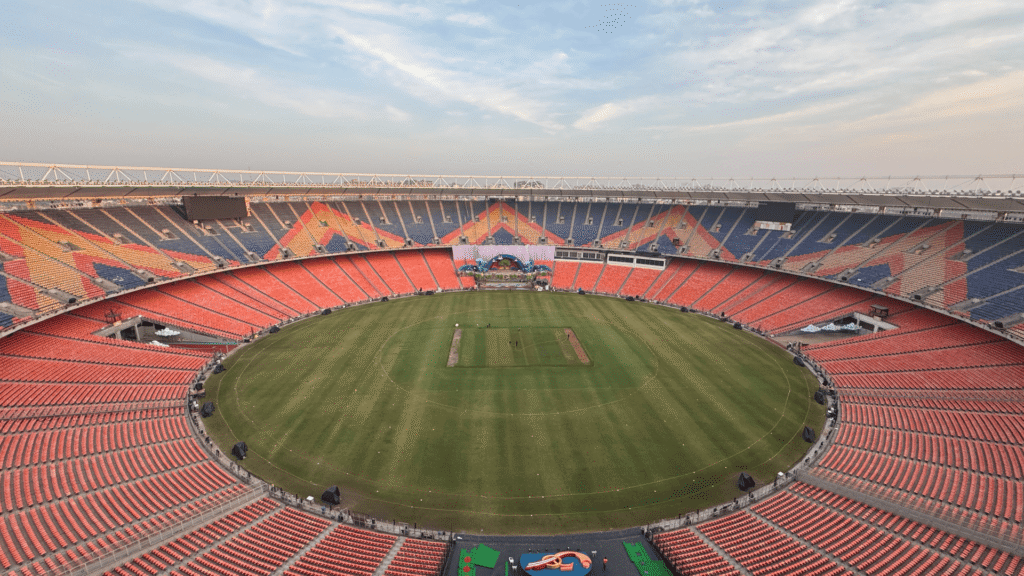
Powerplay is a fielding restriction used in limited-overs cricket. For a fixed number of overs, the bowling side may keep only a few fielders outside the 30-yard circle, the oval painted around the pitch. Everyone else has to stand inside it.
Why does that matter? Fielders inside the circle stop singles and take catches, but they cannot guard the boundary. With the outfield mostly empty, a well-timed shot over the infield can race away for four or six. That is the whole idea. The rule gives batters a better chance to score quickly, and it gives bowlers a chance to take wickets when batters take risks.
Here is a simple example. A batter in a men’s T20 international hits the ball over mid-off in the third over. Only two fielders are allowed on the outer ring, so they can cover only a small part of the boundary, and big gaps appear. In the tenth over, with five fielders allowed back, the same shot may end up in the hands of a boundary fielder.
How Does Powerplay Work in Cricket?
In a men’s T20 international it works like this:
- The innings starts with six powerplay overs.
- During those overs, a maximum of two fielders can stand outside the 30-yard circle.
- After the sixth over the powerplay ends.
- From the seventh over, up to five fielders can stand outside the circle.
- The captain can set any field he likes, as long as it stays within the limit for that stage of the innings.
The captain cannot save the T20 powerplay for later or choose to skip it. It is fixed by the playing conditions. The umpires check the field when the bowler delivers the ball, and if too many fielders are outside the circle, they call a no-ball.
One common confusion: powerplay does not give the batting side extra runs, and it does not stop bowlers from taking wickets. It only changes where the fielders can stand.
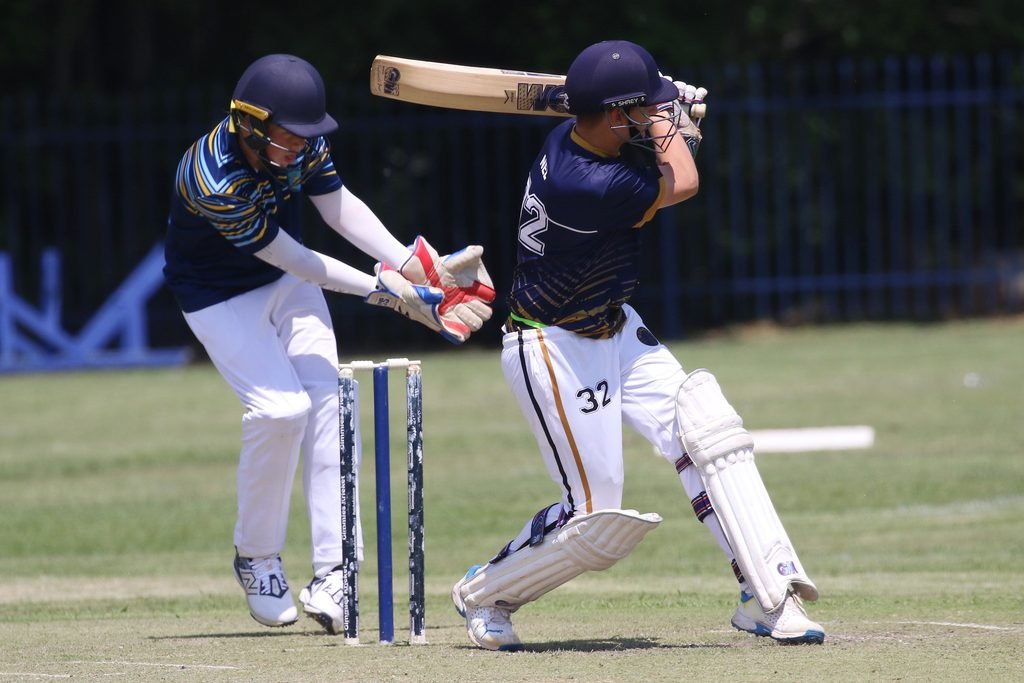
Powerplay at a Glance
| Format | Powerplay overs | Fielders allowed outside the circle |
|---|---|---|
| Men’s T20 international | Overs 1–6 | 2 (up to 5 from over 7) |
| Men’s ODI | Overs 1–10, 11–40, 41–50 | 2, then 4, then 5 |
| Big Bash League (BBL) | Overs 1–4, plus a 2-over Power Surge chosen by the batting side from over 11 | 2 in those overs |
| The Hundred | First 25 balls | 2 |
| Test cricket | None | No powerplay |
Competitions set their own playing conditions and shortened matches change the allocation, so always check the rules for the specific match or tournament. The ICC publishes the international versions on its playing conditions page.
Powerplay in ODI Cricket: The Three Phases
In a standard men’s 50-over ODI, the fielding restrictions are split into three phases. If you are new to the 50-over game, our ODI cricket guide explains the basics first.
| Phase | Overs | Fielders allowed outside the circle |
|---|---|---|
| Powerplay 1 | 1–10 | 2 |
| Powerplay 2 | 11–40 | 4 |
| Powerplay 3 | 41–50 | 5 |
Overs 1–10. This is the strictest phase. The ball is new, the field is tight, and openers can score through the gaps. But the new ball also swings and seams, so attacking too early can cost a wicket.
Overs 11–40. The field spreads out a little. Most teams use this period to rotate the strike, build a partnership and keep wickets in hand for the end of the innings.
Overs 41–50. Five fielders are allowed outside the circle, and batters usually go for big shots. Bowlers answer with yorkers, slower balls and wide lines.
These three phases apply to standard men’s ODIs. Reduced-overs matches adjust the powerplay overs, and you should not assume that every women’s or domestic 50-over competition follows the same split.
Powerplay in T20 Cricket: Why the First 6 Overs Matter
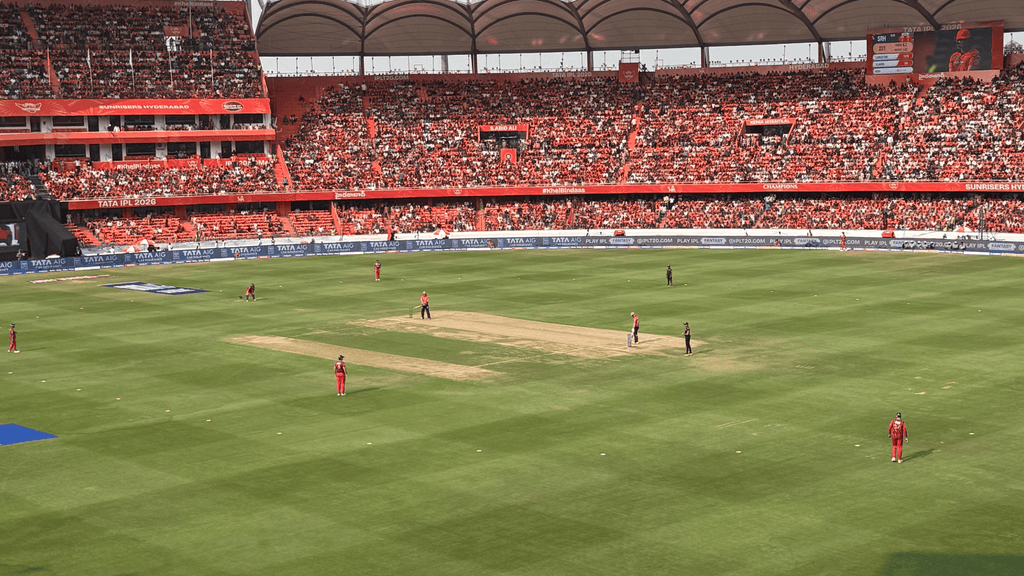
A T20 innings is only 120 balls long, so the first 36 balls are about 30 percent of the whole innings. Teams want runs while only two fielders are on the boundary.
There are a few reasons why batting sides attack in this phase. Gaps are easier to find, the run rate can climb quickly, and the middle order walks in with some pressure already released. But there is a cost. Lose two or three early wickets and the middle order has to rebuild instead of attack.
There is also no magic score for a good powerplay. Fifty-five for one on a flat pitch against a weak attack is not the same as fifty-five for one on a green pitch against a swing bowler. Pitch, opposition and target all change what counts as a good start. If you are new to the format, start with our T20 cricket guide.

Is There a Powerplay in Test Cricket?
No. Test cricket has no scheduled powerplay overs. A Test captain can set an attacking or a defensive field at any time, depending on the bowler, the batter and the state of the pitch. Fielding laws still apply, though. For example, no more than two fielders can stand behind square on the leg side. For the full picture of how the longest format works, read our Test cricket guide.
The Batting Powerplay: What It Was and Why It Disappeared
You may still hear older commentators talk about a “batting powerplay”. It was a block of overs that the batting side could choose to take, with only a few fielders allowed outside the circle. It was part of ODI cricket from 2005 until 2015.
In July 2015 the ICC removed it. The ICC cricket committee gave the fielding side extra cover by allowing a fifth fielder outside the circle in the last ten overs. According to an ESPNcricinfo analysis of the change, scoring in the final ten overs slowed down afterwards compared with 2012–15. So today there is no batting powerplay in standard men’s ODIs.
A Short History of the Powerplay
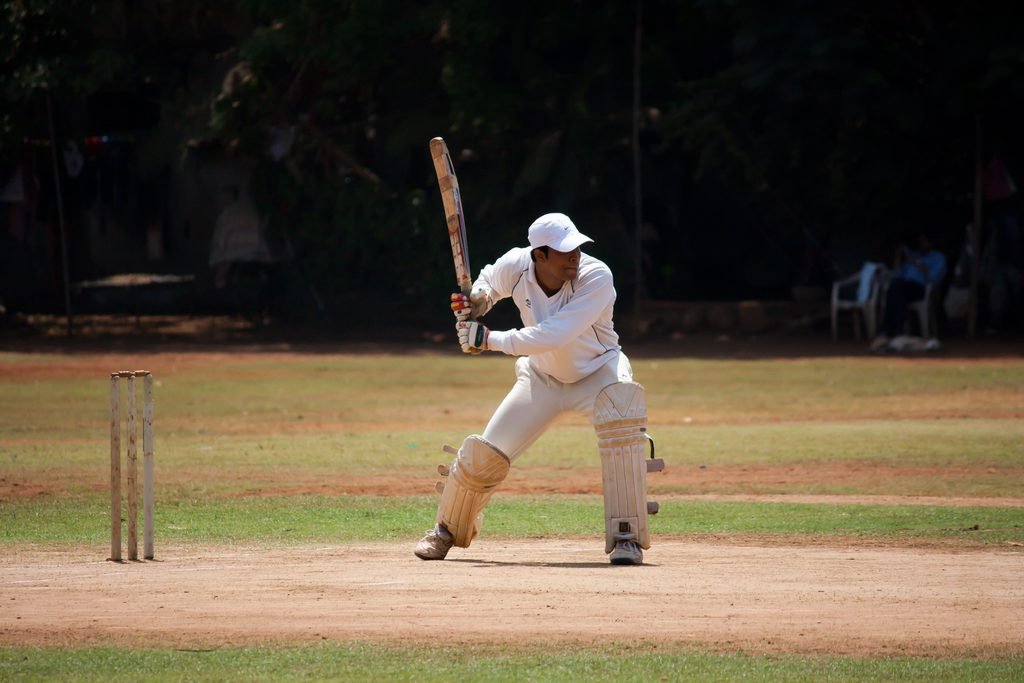
The powerplay has changed more often than most cricket rules. Here is the timeline, with more detail on Wikipedia’s powerplay page.
- 1980–81: Fielding restrictions are introduced in ODIs in Australia.
- 1992: Restrictions for the first 15 overs become a standard ODI rule.
- 2005: The ICC introduces the name “Powerplay” and a new system: a mandatory 10-over block at the start plus two 5-over blocks, with the bowling side and the batting side choosing when to take them.
- 2012: The rules change again. Powerplay overs are cut to 15 and four fielders are allowed outside the circle in the other overs.
- July 2015: The batting powerplay is removed and the innings is split into the three phases we use today. The rule that forced two fielders to stand in catching positions in the first ten overs also goes.
- 2020–21: The BBL introduces the Power Surge.
So when someone asks who invented the powerplay, there is no single answer. It grew out of rule changes made by cricket’s governing bodies and tournament organisers over about 25 years.
Powerplay in the IPL, PSL, BBL and The Hundred
IPL. The IPL powerplay is the first six overs, with only two fielders outside the 30-yard circle. The PSL generally follows the same six-over T20 structure, but always check the current playing conditions.
BBL. The Big Bash is different. The mandatory powerplay lasts only four overs. The batting side then chooses when to take a two-over Power Surge, any time from the 11th over onwards, with two fielders outside the circle again. ESPNcricinfo’s explainer covers how it started in the 2020–21 season, and the rule is still used in 2025–26.
The Hundred. Each innings has 100 balls, and the first 25 balls form the powerplay. Only two fielders can stand outside the circle during that time. After the powerplay, the men’s competition allows up to five.
This is why you should never assume that every T20 league uses the same powerplay.
Why Powerplay Matters
For the batting side, the powerplay is a chance to get ahead of the run rate while the field is spread thin. For the bowling side, it is a chance to take early wickets, because batters who attack are more likely to mistime a shot. Captains plan around it. A captain who wants to use his best swing bowler in the first overs is thinking about the powerplay. So is a captain who holds back a spinner until the field goes back.
It also changes how batting orders work. Teams pick openers who can hit the ball in the air, and they pick bowlers who can bowl full and accurate lengths with the new ball. If you want to build the kind of batting technique that works in these overs, our guide on how to improve your batting is a good place to start.
What to Watch for During a Powerplay
Next time you watch a match, try this:
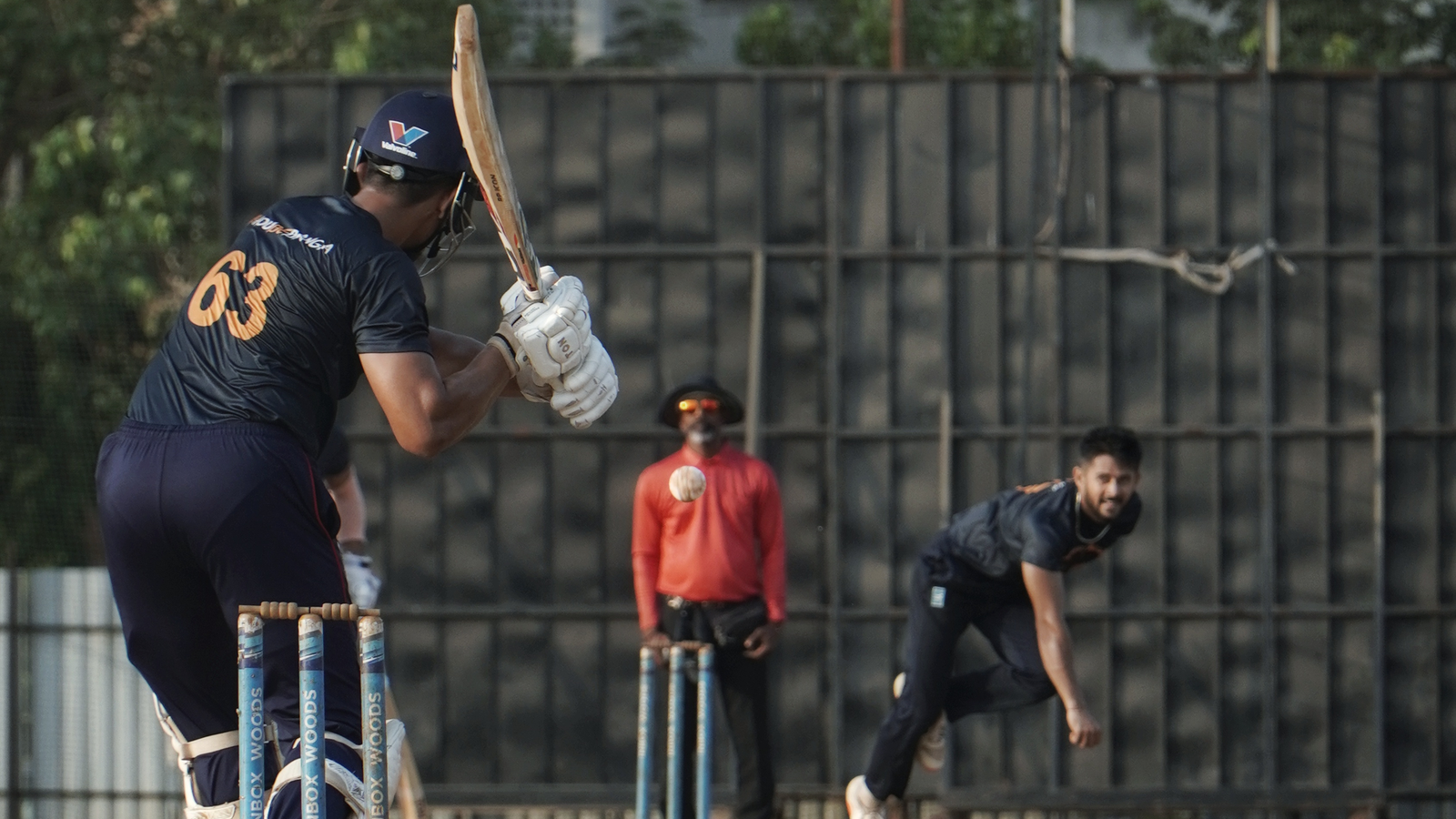
- Count the fielders on the boundary. In T20 you should see only two until the end of over six, and then you will see fielders move back.
- Watch the first-over bowler. Captains often give the new ball to a bowler who can swing it.
- Check wickets as well as runs. A team on 60 for 3 after six overs has scored quickly but has paid for it.
- Notice when the field changes. After overs 6 in T20, and 10, 40 in ODIs, the captain makes changes.
- Look at shot selection. Batters who clear the infield with controlled shots usually do better than those who swing at everything.
Common Powerplay Myths
- “Powerplay means extra runs.” It does not. It only limits fielders outside the circle.
- “The captain picks when the powerplay happens.” In standard T20 and ODI cricket today, the overs are fixed. Only in some competitions, such as the BBL’s Power Surge, does the batting side choose part of it.
- “Test cricket has a powerplay.” It does not.
- “The batting powerplay still exists.” It was removed from ODIs in July 2015.
- “A high powerplay score always wins the match.” A fast start helps, but teams still need to keep wickets and score in the later overs.
What Happens If the Fielding Side Breaks the Rules?
If the fielding side has more fielders outside the circle than the rules allow when the ball is delivered, the umpire calls a no-ball. That gives the batting side an extra run, and the ball has to be bowled again.
Powerplay Meaning in Hindi and Urdu
Powerplay cricket mein un overs ko kehte hain jin mein fielding team par khaas pabandi hoti hai. In overs mein sirf kuch fielders ko 30-yard circle ke bahar khara hone ki ijazat hoti hai.
T20 cricket mein pehle 6 overs powerplay hote hain. Men’s ODI mein powerplay teen hisson mein hota hai: overs 1 se 10, 11 se 40 aur 41 se 50. Test cricket mein powerplay nahi hota.
Asaan alfaaz mein, powerplay batting team ko tez run banane ka mauqa deta hai, aur bowling team ko wickets lene ka bhi mauqa deta hai. Agar aap puchna chahein ke “powerplay kya hota hai”, to jawab yahi hai: fielding ki pabandi wale overs.
Frequently Asked Questions About Powerplay in Cricket
How many powerplays are there in an ODI?
In a standard men’s 50-over ODI there are three powerplay phases: overs 1–10, overs 11–40 and overs 41–50.
How many overs is the powerplay in T20 cricket?
In men’s T20 internationals, the powerplay is the first six overs of each innings.
How many fielders are allowed outside the circle in the powerplay?
Two in the first six overs of a men’s T20 international. In a men’s ODI the limits are two, four and five across the three phases.
When is the powerplay in cricket?
In T20 internationals it is overs 1–6. In men’s ODIs the phases cover overs 1–10, 11–40 and 41–50.
Who decides the powerplay in cricket?
The ICC sets the playing conditions for international cricket. Leagues and domestic tournaments set their own rules. Captains cannot freely choose the standard powerplay overs.
Why is the powerplay important in cricket?
It shapes how both teams approach the innings. Batters try to score quickly while the field is spread thin, and bowlers try to take wickets when batters take risks.
When was the powerplay introduced in cricket?
Fielding restrictions have been used in ODIs since the 1980s, but the ICC introduced the name “Powerplay” and its elective system in 2005. The current three-phase men’s ODI structure has been in use since July 2015.
Is there a powerplay in Test cricket?
No. Test cricket has no scheduled powerplay overs.
What happened to the batting powerplay?
The ICC removed it from ODIs in July 2015 and introduced the current three-phase structure.
Final Thoughts
Powerplay is a simple rule with a big effect. It decides how many fielders can guard the boundary, and that shapes how teams bat, bowl and set their fields. In men’s T20 internationals it is the first six overs, in men’s ODIs there are three phases, and in Test cricket there is none.
Once you know the numbers, watching a match gets more interesting. You can see why a captain brings on a swing bowler first, and why batters change their approach when the fielders walk back. If you are a player yourself, you can also use the powerplay as a plan: our guide to hitting sixes in tape ball cricket shows how to clear the field when the gaps are there.
Sources and Further Reading
- ICC playing conditions
- Powerplay (cricket) on Wikipedia
- ESPNcricinfo: the bat–ball balance in ODIs after the 2015 changes
- ESPNcricinfo: introducing the BBL Power Surge
About the author: Haroon Ali writes about cricket rules, batting techniques and match strategy at Everything About Cricket. He aims to make the game easier to understand for new fans and young players.
Editorial note: This article explains general international playing conditions. Individual tournaments and shortened matches can have different rules, so check the official playing conditions for a specific match.