
By HAROON ALI, Cricket Writer at Everything About Cricket | Last updated: 17 November 2026 |
Quick answer: Tape ball cricket uses a tennis ball wrapped in electrical tape, which is light (a tennis ball weighs roughly 56 to 59 g), skids fast and rarely swings the traditional way. Hard ball cricket uses a cork-core, leather-covered ball weighing 155.9 to 163 g for men’s cricket, which bounces, seams, swings and turns, and needs pads, gloves and a helmet. The ball changes everything else: technique, safety, cost, rules and the path from the street to professional cricket.
Contents
Here’s what you’ll learn in Tape Ball vs Hard Ball Cricket guide:
- What is tape ball cricket?
- What is hard ball cricket?
- Side-by-side comparison table
- Ball construction and weight
- Bounce, pace and swing
- Batting differences
- Bowling differences
- Fielding and wicketkeeping
- Rules and match formats
- Safety and protective gear
- Cost comparison
- Which skills transfer, and which do not
- A 4-week plan to move from tape ball to hard ball
- Common mistakes
- Tape ball stars who made it
- Which should you play?
- FAQs
- Sources and further reading
What is tape ball cricket?
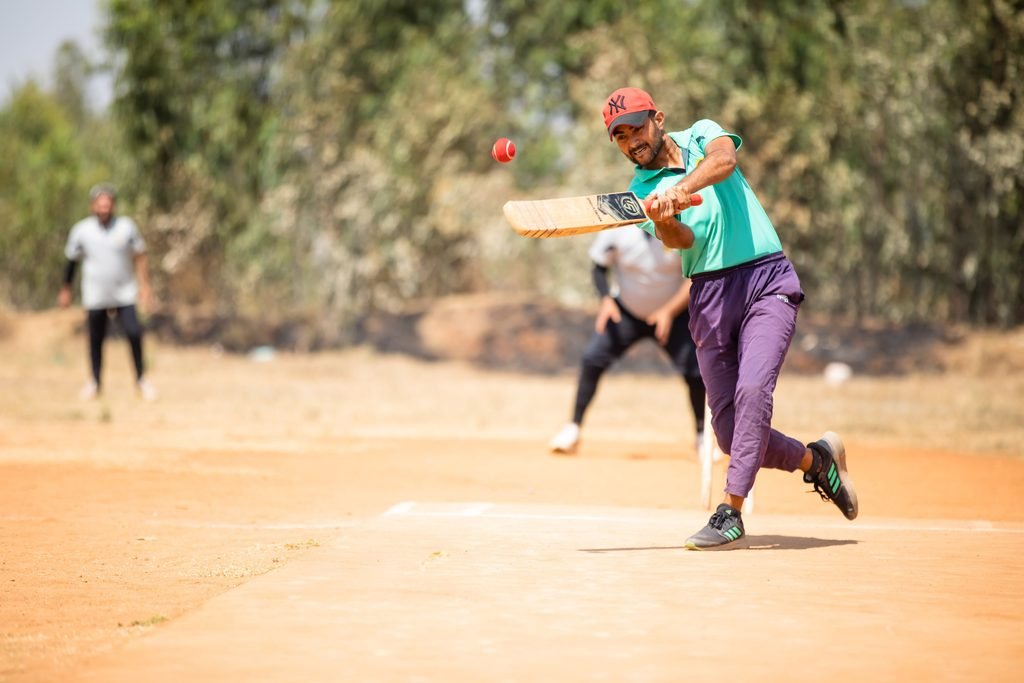
Tape ball cricket is played with a tennis ball covered in electrical tape. It is hugely popular in Pakistan and across South Asia, played on streets, rooftops, parks and school grounds, and in night tournaments with real prize money and local fan followings.
The tape adds weight, makes the ball faster off the surface, and creates a smooth outer skin. Players often wrap it in different ways to get different behaviour (more on that below). There is no single worldwide rulebook, so every tournament sets its own rules.
Typical features:
- Taped tennis ball, usually bowled on a short pitch or a concrete or matting surface
- Short formats, often 6 to 10 overs a side
- Minimal protective gear
- Fast scoring, with big hitting and slower balls used as weapons
- Rules agreed by the organisers (wides, no-balls, boundaries, bowler limits)
What is hard ball cricket?
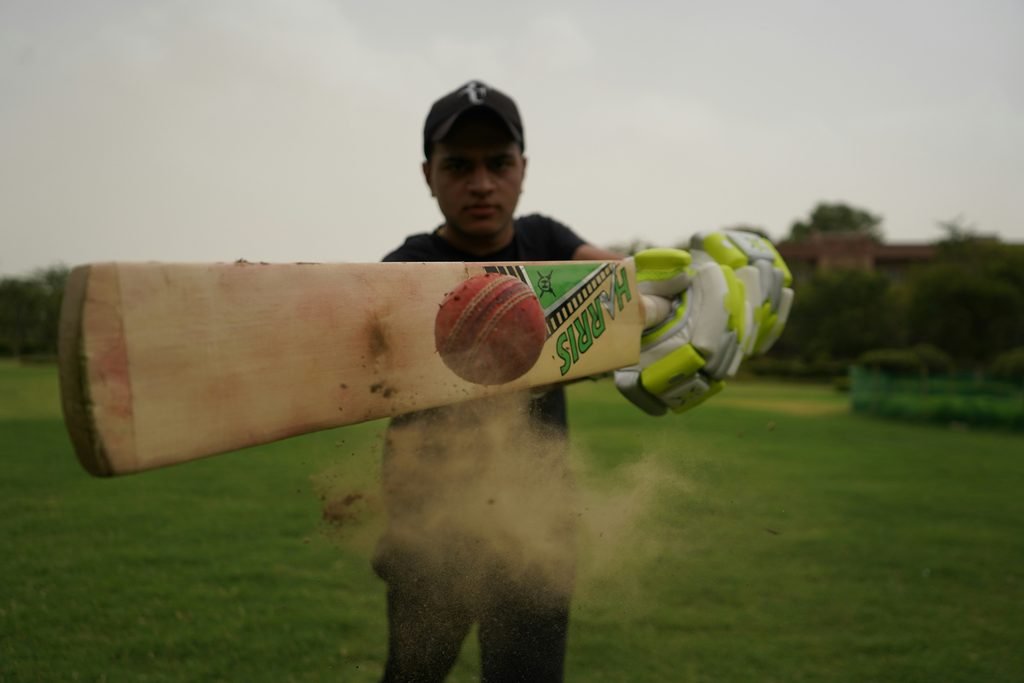
Hard ball cricket is the standard game played at club, school, domestic and international level, from Test matches to the PSL and T20 World Cups. It uses a leather ball with a cork core and a stitched seam, and follows the Laws of Cricket maintained by MCC, plus competition playing conditions set by bodies such as the ICC and the Pakistan Cricket Board.
Typical features:
- Leather ball with a raised, stitched seam
- A 22-yard (20.12 m) pitch, per the Laws
- Formats from T10 to five-day Tests
- Helmet, pads, gloves and abdominal guard for batters
- Umpires, scorers and formal playing conditions
Tape Ball vs Hard Ball Cricket: comparison table
| Feature | Tape ball | Hard ball |
|---|---|---|
| Ball | Tennis ball plus electrical tape | Cork core, wool windings, leather cover |
| Weight | Roughly 56 to 59 g for a plain tennis ball, plus tape (varies) | 155.9 to 163 g (men’s, Law 4) |
| Seam | None | Stitched seam |
| Surface skid | Fast, low-skidding, often bounces unevenly | Depends on pitch, ball age and seam |
| Swing | Mostly from tape surface and wrapping; short-lived | Conventional and reverse swing from seam and polish |
| Spin | Possible but limited grip | Finger and wrist spin turn sharply on suitable pitches |
| Typical format | 6 to 10 overs | T20, ODI, Test, club formats |
| Safety gear | Often none | Helmet, pads, gloves, guard (essential) |
| Rules | Set locally | Laws of Cricket plus playing conditions |
| Cost to start | Low | Higher (ball, bat, pads, helmet, ground fees) |
Ball construction and weight
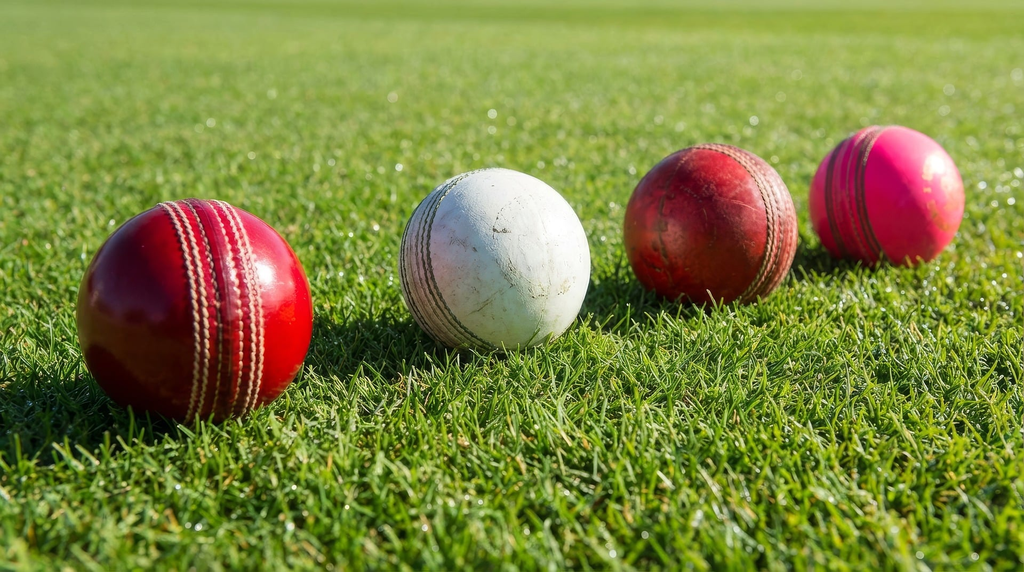
Tape ball: A standard tennis ball is hollow rubber with felt, so it is light and compressible. Players wrap electrical tape around it, usually in several layers, sometimes leaving half the ball taped and the other half felt. The more tape, the heavier and faster the ball becomes, but the exact weight and hardness vary from player to player. There is no official specification.
Hard ball: A men’s cricket ball has a cork core, layers of tightly wound string, and a leather cover stitched in four quarters with a prominent seam. Law 4 sets the men’s weight at 155.9 to 163 g and circumference at 22.4 to 22.9 cm. Women’s and junior balls are slightly lighter, so check the Laws or your board’s rules for the age group.
Bounce, pace and swing
Tape ball
- Skid, not bounce. The ball loses little energy on hard surfaces, so it rushes through the batter at low height, which is why yorkers and full deliveries are so effective.
- Uneven bounce. On concrete, cement wickets and mats, the bounce can be inconsistent.
- Swing is short-lived. Bowlers get movement from the tape finish (one side smoother, one side rougher), but the effect fades as the tape wears. There is no seam to bowl with.
- Pace feels fast. Because the ball is light and the pitch is short, reaction time shrinks even at moderate speeds.
Hard ball
- True bounce on good pitches. Length matters more, and extra bounce can hit the glove or the chest.
- Seam movement. An upright seam makes the ball deviate off the pitch.
- Swing. Conventional swing with a polished side, and reverse swing once the ball is roughed up.
- Spin. The seam and leather grip the surface, so finger and wrist spinners can turn the ball both ways.
Batting differences
Tape ball batting rewards fast hands, quick wrists, flat-bat hitting and improvisation: lofted drives, scoops, ramps and slog sweeps. Because the ball does not seam, the front foot is often enough. Defensive technique matters less because overs are short.
Hard ball batting demands a solid base. You need to judge length early, play with soft hands, leave the ball outside off, and survive an initial spell from a new ball. Footwork against spin and playing off the back foot against bounce are key.
Tip: If you move to hard ball, spend the first weeks learning to leave, defend and rotate strike before hitting big.
Bowling differences
Tape ball bowlers rely on pace, yorkers, wide yorkers, slower balls, knuckle balls and variations in tape wrapping. Many develop remarkable control of the ball at high speed.
Hard ball bowlers use a wider toolkit:
- Fast bowling: pace plus bounce, with a short-pitched ball as an additional weapon
- Swing: inswing and outswing, conventional and reverse
- Seam: hitting the seam to move the ball off the pitch
- Spin: off-spin, leg-spin, left-arm orthodox and wrist-spin variations
For more, read our guide to types of bowling in cricket.
Fielding and wicketkeeping
Tape ball fielding is quick and reflexive, with the ball often hitting the ground fast. In hard ball cricket, fielders need to catch a heavier ball that travels further and can hurt if misjudged. Wicketkeepers must wear gloves and often pads, and learn to stand up or back depending on the bowler’s pace. Practice catching with a hard ball only with proper coaching and gloves.
Rules and match formats
Tape ball rules vary. Common local variations include:
- 6 to 10 overs per innings
- Limits on overs per bowler
- Special wides and no-ball rules (for example, a bouncer above head height may be a no-ball)
- Boundary rules for smaller grounds (sometimes one-bounce fours)
- Lofted shots over certain obstacles counting differently
Hard ball rules follow the Laws of Cricket. Formal competitions add playing conditions on powerplays, fielding restrictions, DRS, over rates and ball replacement. If you plan to play competitive cricket, learn the rules via our cricket rules guide.
Safety and protective gear
A tape ball is lighter, but it is not harmless. A fast taped ball can hurt hands, fingers, face and eyes, especially on concrete. In hard ball cricket the risk is much higher.
Hard ball essentials:
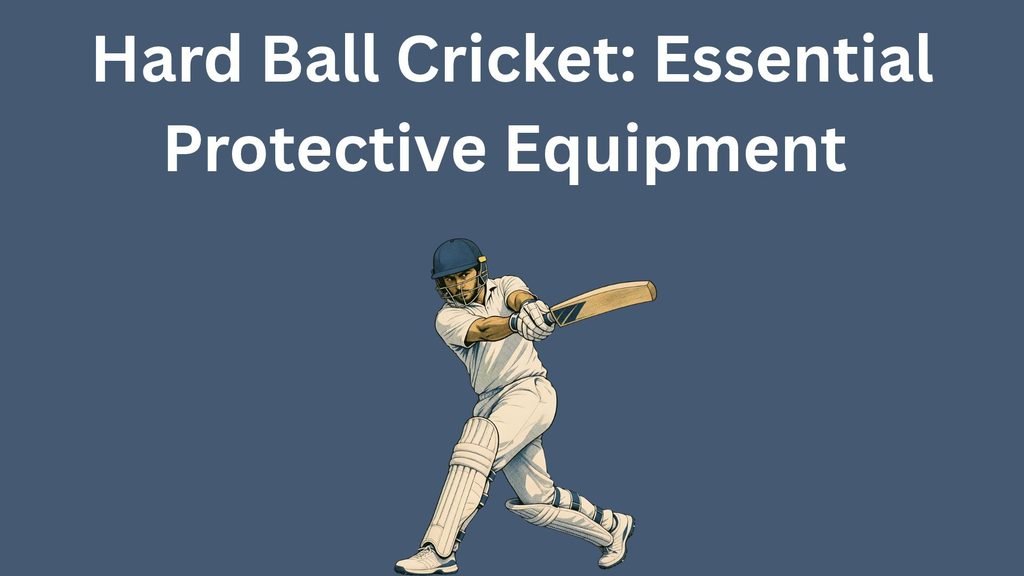
- Helmet with a faceguard that meets a recognised standard
- Leg guards (pads) and batting gloves
- Abdominal guard
- Thigh pad, arm guard and chest guard for higher levels
- Wicketkeeper gloves and inner gloves
- Proper cricket shoes and sun protection
Safety tips for any format:
- Do not play on busy roads or near traffic
- Wear a helmet when facing fast bowlers, even in tape ball, if available
- Warm up and stretch, especially fast bowlers
- Young players should bowl limited overs and rest between spells
- Seek coaching on safe technique
Cost comparison
Tape ball is cheaper to start. You need a tennis ball, tape and a bat (often a lighter tape ball bat). Hard ball needs a leather ball, a proper cricket bat, protective gear and ground access. Prices vary by brand, city and season, so check current local market rates before you buy.
| Item | Tape ball | Hard ball |
|---|---|---|
| Ball | Tennis ball + tape | Leather ball (more expensive, wears out) |
| Bat | Light tape ball or tennis bat | English willow or Kashmir willow cricket bat |
| Protection | Optional | Required (helmet, pads, gloves, guard) |
| Ground | Street, park, any flat area | Turf or matting with proper pitch |
Which skills transfer, and which do not
Transfer well:
- Hand-eye coordination and reflexes
- Timing and power hitting
- Bowling pace and accuracy
- Quick fielding and throwing
- Game awareness in short formats
Need re-learning:
- Leaving and defending against a seaming ball
- Footwork against spin
- Playing the short ball
- Bowling with the seam upright, swing and a consistent length on a full-size pitch
- Fitness for longer spells and long matches
- Reading conditions: pitch, weather and ball age
A 4-week plan to move from tape ball to hard ball
Always do this with a coach or an experienced player, and use proper protective gear.
Week 1: Basics and safety
- Learn the grip, stance and head position with a coach
- Start with a softer or lighter ball, then a hard ball in nets
- Practice defence and leaving, not hitting
Week 2: Technique
- Work on front-foot and back-foot defence, then straight drives
- For bowlers: seam position, wrist position, a repeatable run-up and a consistent length
- Add basic fielding drills with a hard ball (catching, ground fielding with gloves if needed)
Week 3: Conditions and variations
- Face bowlers on a real pitch
- Learn to play the short ball (pull, hook, duck)
- Spin bowling drills (sweep, use of feet) and bowling variations
Week 4: Match practice
- Play a practice match at a club or academy
- Review with a coach: footage, scorebook and fitness
- Set targets for the next month
If you are under 18, check your region’s guidance on fast-bowling workloads and join a registered academy where possible. Read our guide to improving your batting for drills.
Common mistakes when switching
- Hitting everything. On a hard ball, patience and shot selection matter more.
- Skipping protective gear. This is the fastest way to get hurt.
- Expecting the same swing. Tape ball swing tricks do not work with a seam.
- Ignoring fitness. Longer spells and long innings demand stamina and strong legs.
- No coaching. Technique faults are easy to ingrain and harder to fix later.
- Rushing into big matches. Build up through nets and practice games.
Tape ball stars who made it
Pakistan’s cricket story has many players who learned the game on the streets. Fast bowler Haris Rauf, for example, is widely reported to have come up through tape ball cricket before being discovered through trials and going on to play in the PSL for Lahore Qalandars and for Pakistan. According to reports by Aaj English and The Indian Express
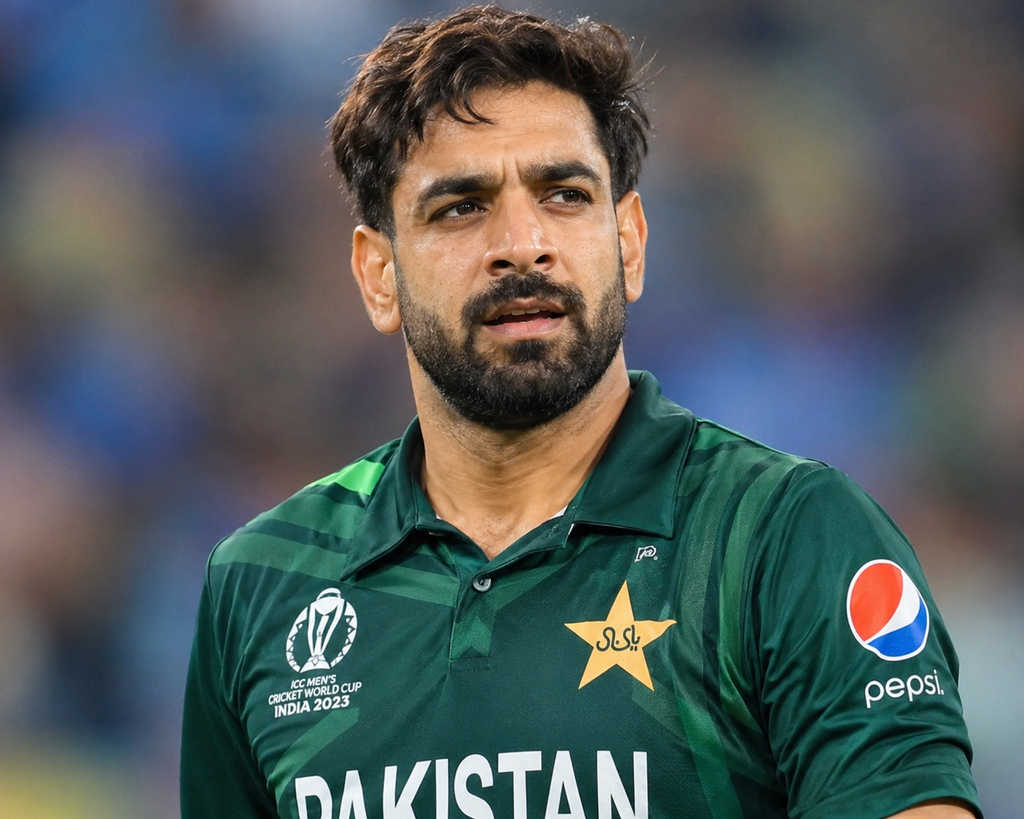
The lesson is not that tape ball alone is enough. It builds reflexes, courage and match sense, and these players then added hard ball technique, fitness and coaching.
Which should you play?
| Your goal | Best choice |
|---|---|
| Fun with friends | Tape ball |
| Local night tournaments | Tape ball |
| Fitness and casual play in small spaces | Tape ball |
| Club or school cricket | Hard ball |
| Domestic or professional pathway | Hard ball (with tape ball as a supplement) |
| Learning swing, seam and spin properly | Hard ball |
Many players do both: tape ball for fun and quick hitting, hard ball for technique and the pathway to organised cricket.
Frequently asked questions
What is the main difference between tape ball and hard ball cricket?
The ball. Tape ball uses a tennis ball wrapped in electrical tape, while hard ball uses a leather ball with a cork core and a stitched seam. This changes bounce, swing, safety, technique and rules.
Is tape ball easier than hard ball?
It is easier to start because it is cheaper and safer, but top-level tape ball is very competitive. Hard ball requires more technique against seam, swing and bounce.
Can tape ball players succeed in hard ball cricket?
Yes, many do, but they need coaching, practice on proper pitches and the right protective gear. Tape ball builds reflexes and confidence, not hard ball technique by itself.
Is a tape ball the same as a tennis ball?
No. A tape ball is a tennis ball with electrical tape, which changes its weight, speed and how it moves.
How heavy is a hard cricket ball?
A new men’s ball weighs 155.9 to 163 g under Law 4 of the Laws of Cricket. Women’s and junior balls are lighter.
Does tape ball cricket have official rules?
There is no single global rulebook. Tournaments set their own rules for overs, wides, no-balls and boundaries.
Is tape ball cricket safe?
It is safer than hard ball, but injuries can still occur, especially on hard surfaces or with fast bowling. Use common sense and protective gear where possible.
Which is better for beginners?
Tape ball is a friendly start. If you want organised cricket, add supervised hard ball sessions with a qualified coach.
Why is tape ball so popular in Pakistan?
It is affordable, needs little space and fits street and community culture, with local tournaments that draw big crowds.
Can I use a tennis ball for training?
Yes, it is useful for reflexes, fielding drills and batting timing, but it should not replace hard ball practice for competitive cricket.
Sources and further reading
- MCC: The Laws of Cricket (ball specifications in Law 4, pitch in Law 6)
- ICC: International Cricket Council (playing conditions and rankings)
- Pakistan Cricket Board (domestic pathways, news and academies)
- ESPNcricinfo (player profiles, stats and news)
Explore more on Everything About Cricket
- AUS vs ENG ODI Where to Watch in Pakistan: Time & Channel
- What Is T20 Cricket? Everything a New Fan Needs to Know –
- What Is ODI Cricket? A Simple Guide for Beginners –
- What Is Test Cricket? A Simple Guide to the Longest Format –
- Everything About Cricket homepage
Conclusion
Tape ball and hard ball are two different games that share the same love of cricket. Tape ball gives you speed, fun and a low barrier to entry. Hard ball gives you the full technical test of seam, swing, spin and bounce, along with the structure of organised cricket. Use tape ball to enjoy the game and sharpen your reflexes, and add hard ball with coaching and safety gear if you want to go further.
Want more cricket guides, rules and match updates? Keep following Everything About Cricket.
4 Responses