
Cricket can be unpredictable. One moment a team looks comfortable, and the next, everything starts falling apart. New Zealand vs India 4th ODI 2026 was a perfect example of that. New Zealand produced a dominant performance at Bay Oval, Mount Maunganui, on November 13, defeating India by a massive 244 runs. The hosts scored 333 runs in their 50 overs before Matt Henry ripped through India’s batting lineup, taking six wickets for just 27 runs. India had no real answer. They were bowled out for only 89 in 26.4 overs. Will Young’s brilliant 125 and Henry’s incredible bowling performance turned this match into a memorable day for New Zealand cricket.
It wasn’t just about the final result. There were several moments that made this game special. India’s missed opportunities in the field, Young’s recovery after being dropped early, and Henry’s unbelievable opening over all played a part in the story.
New Zealand vs India 4th ODI 2026: Match Overview
India won the toss and decided to bowl first. It looked like a reasonable decision. The visitors wanted to use the early conditions and put New Zealand under pressure.
But things didn’t go exactly as planned.
New Zealand’s opening batters started positively. Will Young and Tim Seifert built an important partnership and gave their team a solid platform. Young was particularly impressive. He looked comfortable at the crease and made India’s bowlers work hard for every wicket.
New Zealand eventually finished with 333 runs in 50 overs. India had a target of 334 to chase. A challenging total, but certainly not impossible on a good batting surface.
Then came the second innings.
Matt Henry needed only one over to change the entire match. Three Indian batters were back in the dressing room before the scoreboard had even moved. From that moment, New Zealand were in complete control.
Match Details
- Match: India vs New Zealand, 4th ODI
- Date: November 13, 2026
- Venue: Bay Oval, Mount Maunganui
- New Zealand: 333 all out (50 overs)
- India: 89 all out (26.4 overs)
- Target: 334 runs
- Result: New Zealand won by 244 runs
- Player of the Match: Matt Henry
- Top scorer: Will Young (125)
- Best bowling: Matt Henry (6/27)
Will Young’s Brilliant Century Gives New Zealand a Strong Foundation
There is always something special about a batter who knows when to attack and when to slow things down. Will Young did exactly that.
His innings of 125 runs from 108 deliveries was the backbone of New Zealand’s total. He hit 14 boundaries and four sixes, showing a good mixture of timing and power.
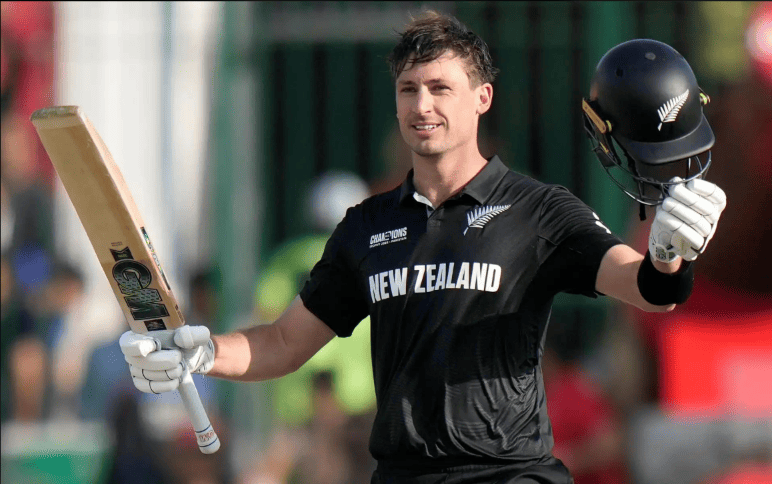
However, the interesting part of his innings was how it started.
Young had a couple of early opportunities go his way. India dropped him twice when he was on just five runs. Those missed chances proved very expensive. Young took full advantage and made India pay for their mistakes.
Once he settled in, his confidence grew. He played the ball late, found gaps in the field and punished deliveries that were too short or too wide.
It was not reckless hitting. It was calculated batting.
He reached his century from 88 deliveries and continued to attack after getting to three figures. This was his fifth ODI century and his first against India.
Young’s innings also showed why fielding matters so much in international cricket. A missed catch might look like a small mistake at the time, but against an experienced batter, it can completely change the game.
India experienced that lesson at Bay Oval.
Tim Seifert Provides Excellent Support
Young needed someone at the other end, and Tim Seifert played that role perfectly.
Seifert scored 58 runs from 48 balls, hitting six fours and three sixes. His approach was aggressive but controlled. He didn’t allow the Indian bowlers to settle into a comfortable rhythm.
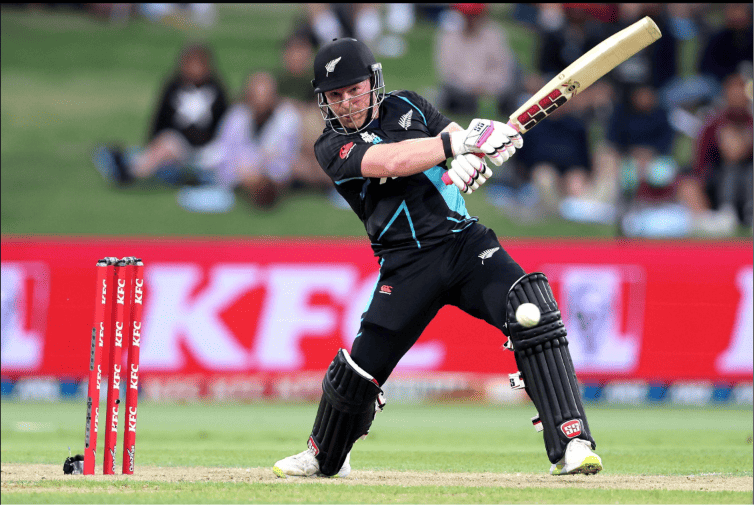
The opening partnership produced 85 runs, giving New Zealand exactly the kind of start they wanted.
Seifert’s contribution was important for another reason. It allowed Young to build his innings without having to take unnecessary risks.
After Seifert departed, New Zealand lost a couple of wickets. Nick Kelly scored four, while Dean Foxcroft managed eight.
For a short period, India looked capable of slowing the scoring rate. But Finn Allen had other ideas.
Finn Allen Adds Another Important Partnership
Finn Allen walked in and immediately brought some energy to the innings.
He scored 41 from just 30 deliveries, including five fours and two sixes. His partnership with Young added another 90 runs and helped New Zealand move towards a big total.
Allen was not interested in spending too much time defending. He attacked the loose deliveries and kept the pressure on India’s bowlers.
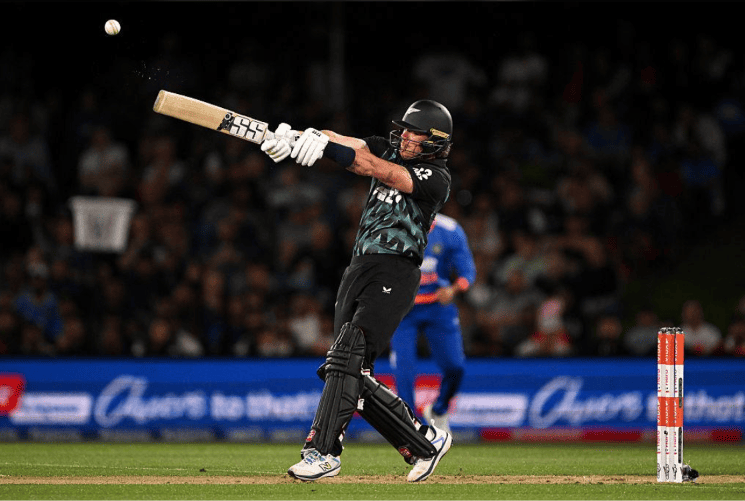
Young continued to play the more complete innings, while Allen provided the acceleration.
New Zealand also received useful contributions from Michael Bracewell, Mitchell Santner and Kristian Clarke. Santner scored 24, Clarke made 22, and Kyle Jamieson remained unbeaten on 19.
The Indian bowlers managed to fight back towards the end, taking several wickets in the final ten overs. Still, New Zealand had already done enough damage.
They finished on 333.
New Zealand vs India 4th ODI 2026: Matt Henry’s Incredible Opening Over
If you watched only the first few overs of India’s chase, you might have thought something unusual was happening.
And it was.
Matt Henry produced one of the most remarkable opening spells of the match. He dismissed Rohit Sharma, Virat Kohli and Shreyas Iyer in his very first over.
All three batters were dismissed for ducks.
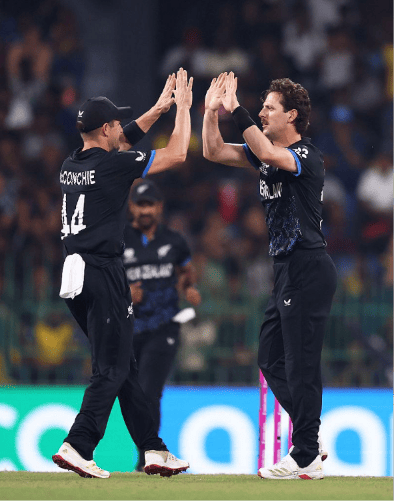
India had lost three wickets without scoring a single run.
Just think about that situation. You are chasing 334 in an important international match, and your top order has already disappeared after six deliveries. The pressure becomes enormous.
Rohit Sharma was caught by Finn Allen. Virat Kohli was bowled, and Shreyas Iyer was dismissed leg before wicket.
Henry was bowling with excellent control. He wasn’t simply trying to bowl fast. His line, length and movement made life extremely difficult for the Indian batters.
New Zealand suddenly had the perfect opportunity to finish the match early.
Henry continued his excellent performance when he returned for another spell. He dismissed Ishan Kishan, who was trying to rebuild the innings, before completing his six-wicket haul.
His final figures were outstanding:
- Overs: 9.4
- Maidens: 2
- Runs: 27
- Wickets: 6
- Economy: 2.80
It was a career-best ODI performance for Henry.
There is a reason why he was named Player of the Match. His bowling didn’t just take wickets. It destroyed India’s confidence at the most important stage of the game.
India’s Batting Collapse: What Went Wrong?
India needed 334 runs to win. The target was difficult, but there was enough batting quality in the lineup to make the chase interesting.
Unfortunately, the opening over changed everything.
After losing three important batters for zero, India were already in serious trouble. Ruturaj Gaikwad also failed to provide the stability they needed, scoring only five runs.
At one stage, India were struggling at nine runs for four wickets.
New Zealand could now attack with confidence. The fielders came closer, the bowlers maintained pressure, and India’s remaining batters were forced to take difficult decisions.
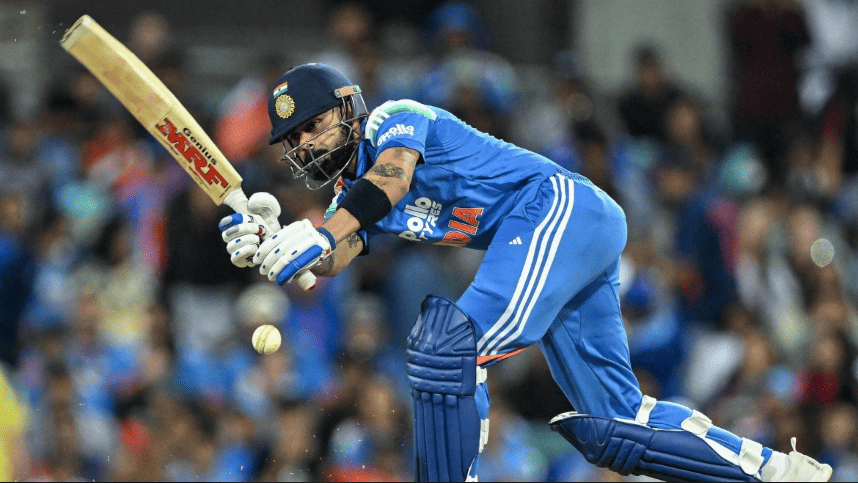
This is where the difference between the two teams became clear.
New Zealand had built partnerships during their innings. India couldn’t do the same.
Ishan Kishan and Axar Patel Try to Recover
Ishan Kishan and Axar Patel were among the few Indian players who showed some resistance.
Kishan scored 27 runs from 53 deliveries. He tried to stay at the crease and rebuild the innings rather than playing unnecessary attacking shots.
Axar Patel contributed 21 runs from 36 balls.
Their partnership added 44 runs and briefly gave India some hope. It wasn’t enough to bring the team back into the contest, but it did prevent the innings from ending immediately.
However, Matthew Fisher broke the partnership by dismissing Axar.
He continued to trouble the lower order and finished with three wickets for 31 runs in seven overs.
Kishan also fell to Henry, and India’s recovery came to an end.
Naman Dhir scored 21 runs from 24 balls, including two sixes. He showed some attacking intent, but there was very little support from the other end.
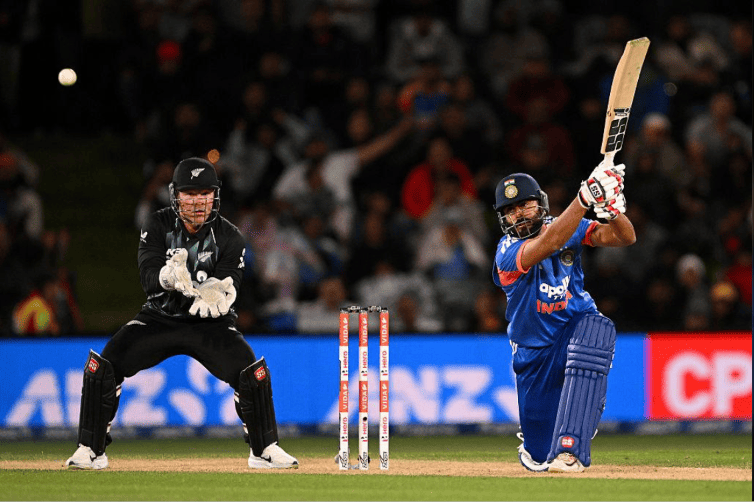
India were eventually bowled out for 89 in 26.4 overs.
It was a very disappointing performance from the visitors, especially considering the quality of their batting lineup.
New Zealand vs India 4th ODI 2026 Full Scorecard
The numbers explain just how one-sided the match became.
New Zealand Innings
333 all out in 50 overs
| Batter | Runs | Balls |
|---|---|---|
| Will Young | 125 | 108 |
| Tim Seifert | 58 | 48 |
| Nick Kelly | 4 | 8 |
| Dean Foxcroft | 8 | 13 |
| Finn Allen | 41 | 30 |
| Michael Bracewell | 15 | 20 |
| Mitchell Santner | 24 | 29 |
| Kristian Clarke | 22 | 22 |
| Kyle Jamieson | 19* | 21 |
| Matt Henry | 2 | 2 |
| Matthew Fisher | 1 | 1 |
| Extras | 14 | – |
| Total | 333 | 50 overs |
India’s leading bowlers
| Bowler | Overs | Runs | Wickets |
|---|---|---|---|
| Axar Patel | 10 | 39 | 2 |
| Auqib Nabi | 8 | 59 | 2 |
| Gurnoor Brar | 10 | 69 | 2 |
| Arshdeep Singh | 10 | 55 | 1 |
| Naman Dhir | 4 | 29 | 1 |
| Kuldeep Yadav | 8 | 73 | 0 |
India Innings
89 all out in 26.4 overs
| Batter | Runs | Balls |
|---|---|---|
| Rohit Sharma | 0 | 1 |
| Ruturaj Gaikwad | 5 | 13 |
| Virat Kohli | 0 | 4 |
| Shreyas Iyer | 0 | 1 |
| Ishan Kishan | 27 | 53 |
| Axar Patel | 21 | 36 |
| Naman Dhir | 21 | 24 |
| Auqib Nabi | 5 | 8 |
| Kuldeep Yadav | 1 | 4 |
| Gurnoor Brar | 2 | 13 |
| Arshdeep Singh | 0* | 3 |
| Extras | 7 | – |
| Total | 89 | 26.4 overs |
New Zealand’s leading bowlers
| Bowler | Overs | Runs | Wickets |
|---|---|---|---|
| Matt Henry | 9.4 | 27 | 6 |
| Matthew Fisher | 7 | 31 | 3 |
| Kyle Jamieson | 6 | 12 | 1 |
The asterisk indicates a batter who remained not out.
Three Reasons Why New Zealand Dominated the Match
Looking at the result alone doesn’t tell the entire story. There were three major reasons behind New Zealand’s massive victory.
1. India’s Missed Opportunities in the Field
The first major mistake came when India dropped Will Young twice on five runs.
Young went on to score 125.
Catches win matches. It is an old cricket saying, but it still matters. Against a player in good form, missed chances can become very expensive.
2. New Zealand Built Important Partnerships
Young and Seifert provided an excellent opening stand of 85 runs. Later, Young and Allen added another 90.
These partnerships allowed New Zealand to control the innings.
India, on the other hand, couldn’t build anything similar during their chase.
3. Matt Henry Changed the Game Immediately
The opening over was probably the biggest moment of the entire contest.
Three wickets. No runs.
Henry gave New Zealand an advantage that they never surrendered. His final six-wicket haul completed an outstanding bowling performance.
What Does This Victory Mean for New Zealand?
This victory is important for New Zealand beyond the 244-run winning margin.
India had entered the match with a 2-0 lead in the five-match series, while the third ODI had been abandoned without a result. New Zealand needed a strong response to keep the series competitive.
And they delivered one.
The win brings the series score to 2-1, with the fifth and final ODI scheduled for November 15 at Bay Oval.
For New Zealand, the result provides confidence heading into the final match. Their batting lineup has shown that it can produce a big total, while their bowling attack has demonstrated how dangerous it can be when conditions and execution come together.
Will Young will also take plenty of confidence from his century. His performance was especially important after receiving two early lifelines.
For India, there are questions to answer.
Their top order needs to respond better under pressure, and the middle order must find ways to build partnerships when early wickets fall. A collapse like this cannot be ignored.
Still, one poor match doesn’t erase the quality of a team. India will have an opportunity to respond in the final ODI.
Final Verdict: New Zealand Make a Strong Statement
The fourth ODI was a match that New Zealand will remember for a long time.
Will Young delivered a superb century. Tim Seifert and Finn Allen helped build a strong total. Then Matt Henry produced a bowling performance that completely changed the contest.
India never really recovered after losing three wickets in the opening over.
A total of 333 proved more than enough, and the visitors were dismissed for just 89. New Zealand won by 244 runs, giving their supporters plenty to celebrate.
For me, the most interesting part of this match wasn’t only the six wickets or the century. It was how both performances came together. Young gave New Zealand the runs, and Henry made sure India couldn’t get anywhere near the target.
That’s what makes ODI cricket exciting. A strong batting performance can set up a match, but a brilliant bowling spell can finish it very quickly.
New Zealand vs India 4th ODI 2026 will certainly be remembered for Matt Henry’s incredible opening over and Will Young’s match-defining century.
India now have one final opportunity to respond. New Zealand, meanwhile, will be looking to carry this momentum into the last game of the series.
Frequently Asked Questions (FAQs)
1. Who won the New Zealand vs India 4th ODI 2026?
New Zealand won the fourth ODI by 244 runs. They scored 333 runs before bowling India out for 89.
2. What was the final score of the fourth ODI?
New Zealand scored 333 all out in 50 overs. India managed only 89 all out in 26.4 overs.
3. Who was the Player of the Match?
Matt Henry received the Player of the Match award for his outstanding bowling performance of six wickets for 27 runs.
4. How many runs did Will Young score against India?
Will Young scored 125 runs from 108 deliveries, including 14 fours and four sixes.
5. How many wickets did Matt Henry take?
Matt Henry took six wickets for 27 runs in 9.4 overs. He also dismissed three Indian batters in his opening over.
6. Who was India’s highest scorer?
Ishan Kishan was India’s highest scorer with 27 runs from 53 balls.
7. Where was the fourth ODI played?
The match took place at Bay Oval in Mount Maunganui, New Zealand.
8. What was the biggest turning point of the match?
Matt Henry’s opening over was the biggest turning point. He dismissed Rohit Sharma, Virat Kohli and Shreyas Iyer for ducks, leaving India at 0/3.
9. How many wickets did Matthew Fisher take?
Matthew Fisher took three wickets for 31 runs in seven overs.
10. When is the fifth ODI between India and New Zealand?
The fifth ODI is scheduled for November 15, 2026, at Bay Oval, Mount Maunganui.
Conclusion
The New Zealand vs India 4th ODI 2026 was a remarkable performance from the home side. Will Young’s brilliant 125-run innings gave New Zealand the foundation for a big total, while Matt Henry’s six-wicket haul completely destroyed India’s batting lineup. Chasing 334 was never going to be easy, but losing three wickets in the opening over made the challenge even harder for India. Their innings ended at just 89 runs, handing New Zealand a massive 244-run victory. This result gives New Zealand valuable confidence heading into the final ODI, while India will need to improve their batting performance and avoid similar mistakes. Cricket fans will now be looking forward to the fifth ODI, where India have an opportunity to make a comeback and New Zealand will aim to finish the series on a high. If you wanted to get more information about cricket updates and highlights then visit everythingaboutcricket.online and for watching the full highlights video click the link https://youtu.be/n-IhEQ8r5I0?si=IR2vPx_T9NDEb5CO
READ ALSO
India vs New Zealand 2nd ODI 2026: India Win by 4 Runs in a Rain-Affected Thriller –
New Zealand vs India 1st ODI 2026: Virat Kohli’s 74 Leads India to a Five-Wicket Victory –
One Response