
Cricket can be unpredictable. One moment a team looks comfortable, and the next, everything starts falling apart. That was exactly the story at Hnry Stadium in Wellington, where India and New Zealand faced each other in the second ODI on November 7, 2026.
India walked away with a four-run victory under the DLS method. But it wasn’t an easy win. New Zealand made things difficult with the ball, while India’s batting lineup struggled to find its rhythm. Rain eventually brought the match to an end, but not before fans witnessed an interesting contest.
The India vs New Zealand 2nd ODI was largely about the bowlers. India’s fast bowlers dominated the first innings and restricted New Zealand to just 134 runs. Gurnoor Brar was the standout performer, picking up four wickets for 30 runs.
New Zealand needed something special during the chase. Their bowlers delivered. They picked up regular wickets and kept India under pressure. However, KL Rahul and Shreyas Iyer helped India recover from a difficult position.
India were 113/7 after 26 overs when rain interrupted the game. The visitors were four runs ahead of the DLS par score and were declared winners.
With this result, India took a 2-0 lead in the five-match ODI series. New Zealand now have plenty to think about before the next match.
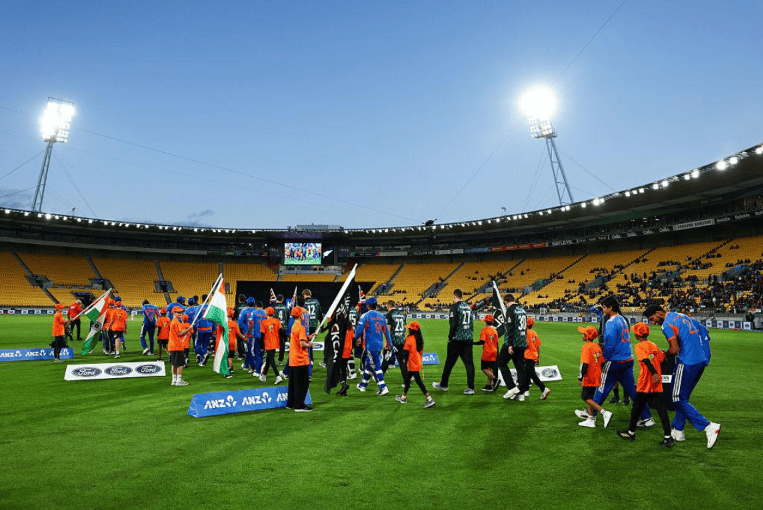
India vs New Zealand 2nd ODI Match Details
Before looking at the performances, here are the important details from the match.
| Match Information | Details |
|---|---|
| Match | India vs New Zealand |
| Match Number | 2nd ODI |
| Date | 7 November 2026 |
| Venue | Hnry Stadium, Wellington |
| Series | India tour of New Zealand 2026 |
| New Zealand | 134 all out (41 overs) |
| India | 113/7 (26 overs) |
| Result | India won by 4 runs (DLS) |
| Player of the Match | Gurnoor Brar |
| Best Indian Bowler | Gurnoor Brar (4/30) |
| Top New Zealand Batter | Daryl Mitchell (55) |
The result gives India a comfortable advantage in the series. However, New Zealand are not out of the contest yet. There are still three matches remaining, and the home team will be looking for a strong comeback.
New Zealand Batting Performance: Early Wickets Created Problems
New Zealand came into this match hoping to put up a strong batting performance. Playing at home, they wanted to take advantage of familiar conditions.
But things didn’t go according to plan.
India decided to bowl first, and their fast bowlers immediately started creating problems. The opening overs were important. New Zealand needed a good start, but instead, they lost wickets.
Auqib Nabi provided India with an excellent beginning. He dismissed Tim Seifert for a duck and Will Young for just six runs. Losing two early wickets was a serious setback for the home side.
Anshul Kamboj then added to New Zealand’s problems by dismissing Henry Nicholls for 11.
The scoreboard was not looking good. New Zealand were struggling at 23/3, and India were clearly enjoying the conditions.
Gurnoor Brar then joined the attack. His pace and bounce made life difficult for the New Zealand batters. Tom Latham and Glenn Phillips couldn’t make meaningful contributions, and the pressure continued to increase.
At one stage, New Zealand had lost five wickets for just 53 runs.
It looked like the innings could end very quickly.
However, Daryl Mitchell had other plans. He stayed at the crease and tried to bring some stability to the innings. Mitchell understood that New Zealand needed a partnership, not another quick wicket.
He found a useful partner in Mitchell Santner.
The two batters started rebuilding the innings. They rotated the strike, found occasional boundaries and made sure that the scoreboard continued moving.
Their partnership added 59 runs for the sixth wicket. It was easily the most important partnership of the New Zealand innings.
Daryl Mitchell scored 55 runs from 104 balls, including five fours and two sixes. Mitchell Santner also played a useful innings of 31 runs from 38 deliveries.
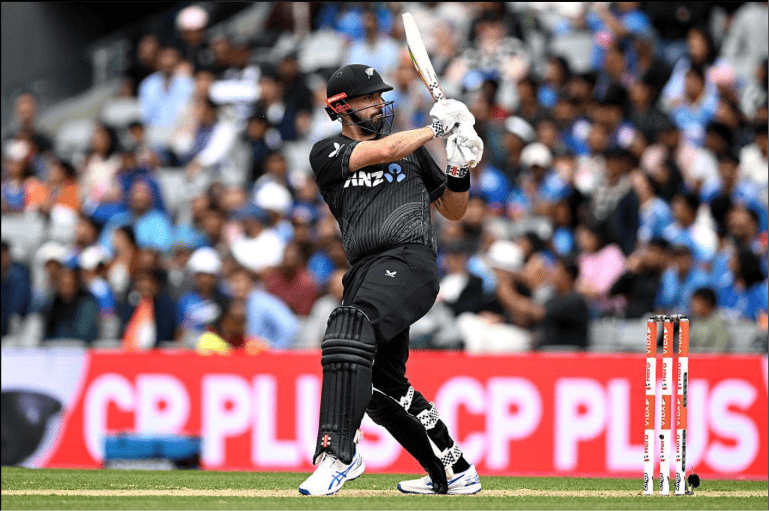
For a while, New Zealand looked capable of reaching a more respectable total.
But India didn’t allow the partnership to continue for too long. Axar Patel eventually dismissed Mitchell, while Gurnoor Brar returned to pick up more wickets.
New Zealand were eventually bowled out for 134 runs in 41 overs.
It was a disappointing batting display. The early wickets made a big difference, and the middle order never managed to completely recover.
Gurnoor Brar 4/30: India’s Biggest Match-Winner
Every match has a player who makes the biggest difference. In this contest, that player was Gurnoor Brar.
His bowling performance was one of the main reasons India managed to restrict New Zealand to a low total.
Brar finished with four wickets for 30 runs in 10 overs. That’s an excellent performance, especially in an important ODI against a competitive team like New Zealand.
He used the conditions well. His pace and bounce created difficulties for the batters, and he kept asking questions throughout his spell.
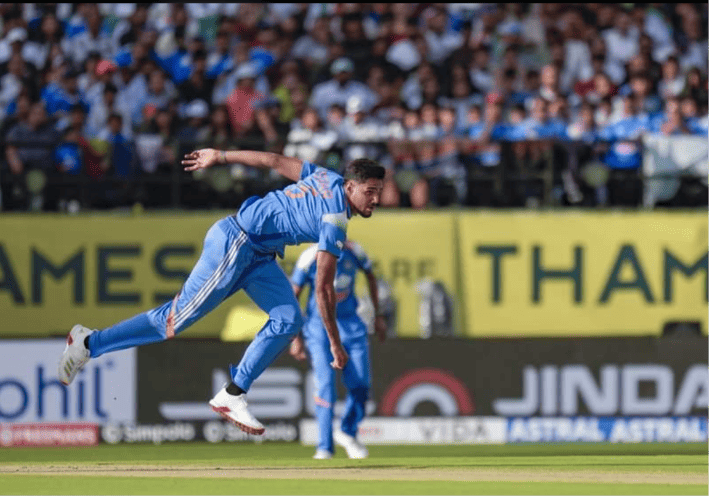
Tom Latham and Glenn Phillips were among his important victims. He also dismissed Mitchell Santner and Nathan Smith.
What made his performance impressive was the timing of his wickets. New Zealand were already under pressure, but Brar made sure they couldn’t build another strong partnership.
His bowling figures of 4/30 made him India’s most successful bowler in the match.
The India vs New Zealand 2nd ODI also provided an opportunity for Brar to show his ability on the international stage. He made the most of it.
He was later named Player of the Match. A well-deserved award for a bowler who made a major difference.
India Batting Performance: A Difficult Chase of 135 Runs
India needed 135 runs to win. It looked like a manageable target, especially after their bowlers had done such a good job.
But cricket rarely follows a simple script.
New Zealand came out with a clear plan. Their bowlers attacked from the beginning and didn’t give the Indian batters much room to settle.
Jacob Duffy produced an excellent opening spell. He dismissed Shubman Gill for a golden duck and Virat Kohli for just seven runs.
Two big wickets. And suddenly, India were under pressure.
Rohit Sharma tried to change the momentum. He played some attacking shots and scored 23 runs, including two fours and two sixes.
However, he couldn’t stay at the crease for long.
Kyle Jamieson also made an important contribution with the ball. He dismissed Rohit Sharma and later removed Shreyas Iyer.
Axar Patel was another batter who failed to make a big contribution. He scored seven runs before Matthew Fisher sent him back to the pavilion.
India were losing wickets regularly. The chase was becoming interesting, and New Zealand started believing they could defend the total.
Then came an important partnership.
Shreyas Iyer and KL Rahul tried to bring some calmness to the innings. They didn’t rush their shots and focused on building a partnership.
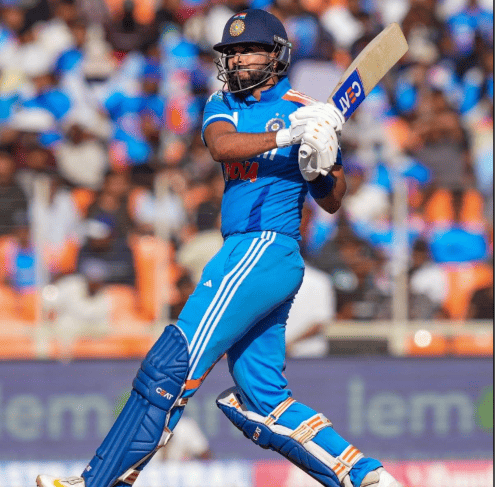
Iyer scored 30 runs from 46 balls. Rahul continued at the other end and played with patience.
Their partnership added some much-needed stability to the Indian innings.
Although Jamieson eventually dismissed Iyer, Rahul remained unbeaten.
India reached 113/7 after 26 overs before rain interrupted the match.
KL Rahul Unbeaten 26: A Valuable Contribution
KL Rahul’s contribution might not look huge on the scoreboard, but it was important for India.
During the difficult chase, Rahul remained unbeaten on 26 runs from 38 balls.
He understood the situation. India had already lost several important wickets, so there was no need to take unnecessary risks.
Instead, he focused on staying at the crease and keeping the scoreboard moving.
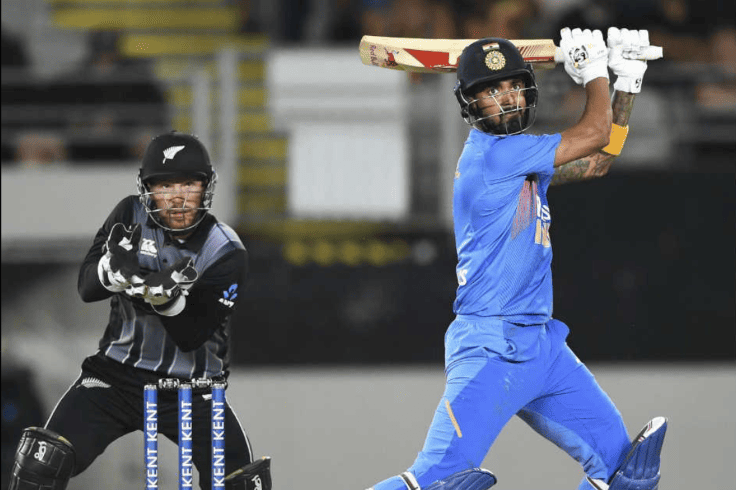
His partnership with Shreyas Iyer helped India recover from a difficult position. Both batters showed patience when the team needed it.
Rahul’s innings also became important because the rain interruption eventually decided the result.
The Indian wicketkeeper-batter didn’t score a half-century, but he played a useful knock under pressure.
Why Did India Win by 4 Runs Under the DLS Method?
One of the most discussed moments of the match was the DLS result.
Many cricket fans know the name, but not everyone understands how it works.
The Duckworth-Lewis-Stern method, commonly known as DLS, is used in limited-overs cricket when rain or another interruption affects the match.
It calculates a revised target by considering the available overs and wickets.
In the second ODI, New Zealand were dismissed for 134 runs in 41 overs. India then started their chase with a revised 47-over innings.
The Indian batting lineup struggled against New Zealand’s fast bowlers. Despite some useful contributions from Rohit Sharma, Shreyas Iyer and KL Rahul, India lost seven wickets.
Their score reached 113/7 after 26 overs.
Unfortunately, rain returned and stopped the match.
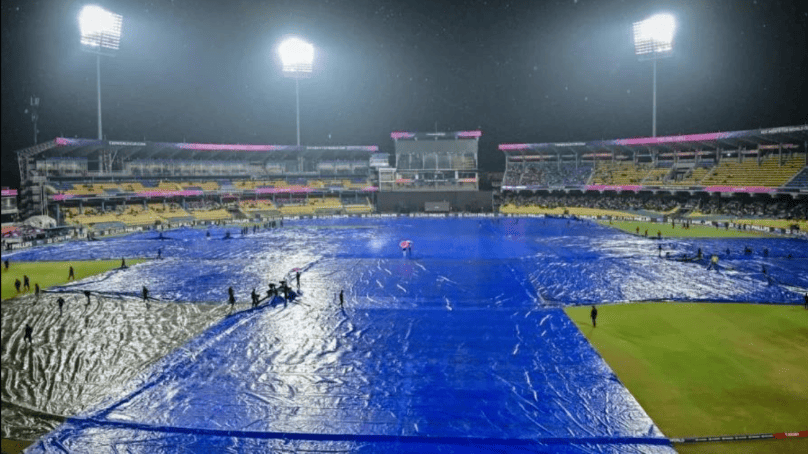
At that stage, India’s DLS par score was 109. Their actual score was 113, which meant they were four runs ahead.
As a result, India were declared winners by four runs under the DLS method.
It was a close finish, especially considering how well New Zealand had bowled during the chase.
New Zealand Bowling Performance: A Strong Fightback
New Zealand may have lost the match, but their bowlers deserve credit.
Defending a small total is never easy. Still, they managed to put India’s batting lineup under serious pressure.
Jacob Duffy was particularly impressive in the opening overs. He dismissed Shubman Gill and Virat Kohli early, giving New Zealand exactly the kind of start they needed.
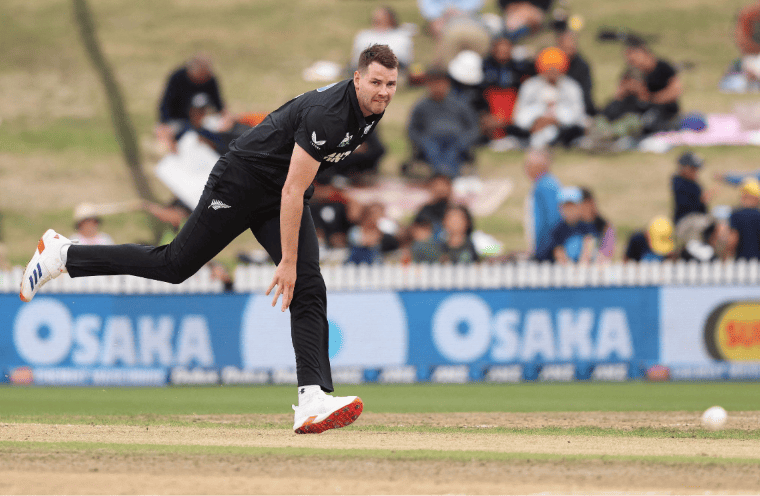
Kyle Jamieson was another major contributor.
He finished with three wickets for 35 runs in 10 overs. His ability to generate bounce and trouble the Indian batters was clear throughout the innings.
Jamieson dismissed Rohit Sharma, Shreyas Iyer and Anshul Kamboj.
Matthew Fisher also picked up an important wicket by removing Axar Patel.
The New Zealand bowlers showed good discipline. They didn’t allow India to score freely, and regular wickets kept the match competitive.
However, the problem was their first-innings total.
Defending only 134 runs left very little room for mistakes. Even a strong bowling performance couldn’t completely protect them.
India vs New Zealand 2nd ODI: Complete Match Scorecard
Here are the main batting contributions and bowling figures from the match.
New Zealand Innings – 134 All Out (41 Overs)
| Batter | Runs |
|---|---|
| Will Young | 6 |
| Tim Seifert | 0 |
| Henry Nicholls | 11 |
| Daryl Mitchell | 55 |
| Tom Latham | 7 |
| Glenn Phillips | 0 |
| Mitchell Santner | 31 |
| Nathan Smith | 3 |
| Kyle Jamieson | 7 |
| Total | 134 |
Indian bowling figures
| Bowler | Overs | Runs | Wickets |
|---|---|---|---|
| Gurnoor Brar | 10 | 30 | 4 |
| Auqib Nabi | 8 | 31 | 2 |
| Anshul Kamboj | 8 | 25 | 2 |
| Axar Patel | 9 | 28 | 2 |
India Innings – 113/7 (26 Overs)
| Batter | Runs |
|---|---|
| Rohit Sharma | 23 |
| Shubman Gill | 0 |
| Virat Kohli | 7 |
| Shreyas Iyer | 30 |
| Axar Patel | 7 |
| KL Rahul | 26* |
| Naman Dhir | 12 |
| Anshul Kamboj | 1 |
| Auqib Nabi | 1* |
| Total | 113/7 |
New Zealand bowling figures
| Bowler | Overs | Runs | Wickets |
|---|---|---|---|
| Kyle Jamieson | 10 | 35 | 3 |
| Jacob Duffy | 7 | 35 | 3 |
| Nathan Smith | 5 | 19 | 0 |
| Matthew Fisher | 4 | 23 | 1 |
Note: This is a summary of the available match figures. Check the official scorecard for complete extras, dismissal details and any omitted batting or bowling entries.
Key Players of the Match
Several players had an important role in this contest. Let’s look at the performances that stood out.
1. Gurnoor Brar – India
Gurnoor Brar was the biggest star of the match. His four wickets for 30 runs helped India bowl out New Zealand for 134.
He controlled his spell and picked up important wickets at crucial moments.
2. Daryl Mitchell – New Zealand
Daryl Mitchell was New Zealand’s leading run-scorer. His 55 runs from 104 balls gave the home team some hope after a difficult start.
His partnership with Santner was the most productive part of the innings.
3. KL Rahul – India
KL Rahul remained unbeaten on 26 runs from 38 balls. His patience and partnership with Shreyas Iyer helped India stay in the contest.
4. Shreyas Iyer – India
Shreyas Iyer scored 30 runs from 46 balls. He helped rebuild the innings after India lost several early wickets.
5. Kyle Jamieson – New Zealand
Kyle Jamieson picked up three wickets for 35 runs. He was one of New Zealand’s most effective bowlers and made India’s chase difficult.
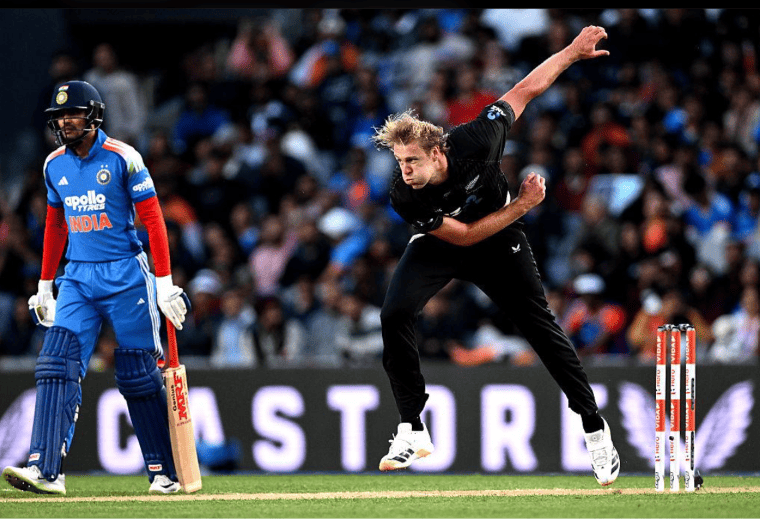
What Does This Result Mean for the ODI Series?
The result of the India vs New Zealand 2nd ODI gives India a 2-0 lead in the five-match series.
India have won the first two matches and are now in a strong position. The team will be happy with its bowling performance, especially the contribution from Gurnoor Brar.
However, there are still some concerns.
The Indian top order needs to perform better. Losing early wickets in a chase of just 135 runs is not something the team would want to repeat.
For New Zealand, the biggest concern is their batting performance. Their top order needs to provide a better start, while the middle order must build partnerships.
There were some positive signs from their bowlers. Duffy and Jamieson showed that they can trouble India’s experienced batting lineup.
New Zealand will need to carry that confidence into the next match.
What to Expect in the 3rd ODI Between India and New Zealand?
The third ODI is scheduled to take place in Hamilton on November 10, 2026.
India will enter the match with a 2-0 advantage. They will want to continue their winning momentum and move closer to securing the series.
New Zealand have a different challenge. They need to find a way to stop India’s bowling attack and improve their batting performance.
Daryl Mitchell will be an important player for the home team. His experience and ability to handle pressure could become useful in the next match.
India, meanwhile, will expect more runs from their top-order batters. Shubman Gill and Virat Kohli will be looking to make bigger contributions.
The third match should be interesting. New Zealand need a victory, while India have an opportunity to take an even stronger position in the series.
Conclusion
The India vs New Zealand 2nd ODI was an exciting contest that ended with India securing a four-run victory through the DLS method.
Both teams had their moments, but India’s bowling performance made the biggest difference. Gurnoor Brar was the standout performer with four wickets for 30 runs, while Daryl Mitchell fought hard with his 55-run innings.
KL Rahul also played a valuable unbeaten knock of 26 runs during India’s difficult chase. His partnership with Shreyas Iyer helped India recover after losing early wickets.
Although India have taken a 2-0 lead in the ODI series, there are still areas where the team can improve, especially in the batting department.
New Zealand will be disappointed with the result but can take confidence from their bowling performance. Their fast bowlers showed that they can challenge the Indian batting lineup.
The attention now moves towards the third ODI, where New Zealand will look to make a comeback and India will aim to continue their winning run.
Frequently Asked Questions (FAQs)
1. Who won the India vs New Zealand 2nd ODI 2026?
India won the second ODI against New Zealand by four runs under the DLS method after rain interrupted the match.
2. Where was the India vs New Zealand 2nd ODI played?
The second ODI was played at Hnry Stadium in Wellington, New Zealand, on November 7, 2026.
3. Who was the Player of the Match in IND vs NZ 2nd ODI?
Gurnoor Brar received the Player of the Match award for his excellent bowling performance.
4. How many wickets did Gurnoor Brar take?
Gurnoor Brar took four wickets for 30 runs in his 10 overs against New Zealand.
5. How many runs did Daryl Mitchell score?
Daryl Mitchell scored 55 runs and was New Zealand’s highest run-scorer in the match.
6. How many runs did KL Rahul score?
KL Rahul remained unbeaten on 26 runs from 38 balls during India’s chase.
7. What was New Zealand’s total in the second ODI?
New Zealand were bowled out for 134 runs in 41 overs.
8. What was India’s score when the match stopped?
India were 113/7 after 26 overs when rain interrupted the match.
9. Why did India win by the DLS method?
India were four runs ahead of the required DLS par score when rain stopped the game, resulting in a four-run victory.
10. What is India’s position in the ODI series after the second match?
India took a 2-0 lead in the five-match ODI series after winning the first two matches.
READ ALSO
New Zealand vs India 1st ODI 2026: Virat Kohli’s 74 Leads India to a Five-Wicket Victory –
2 Responses